Living Through Stories
The Vitiligo Diaries
Beyond the Surface
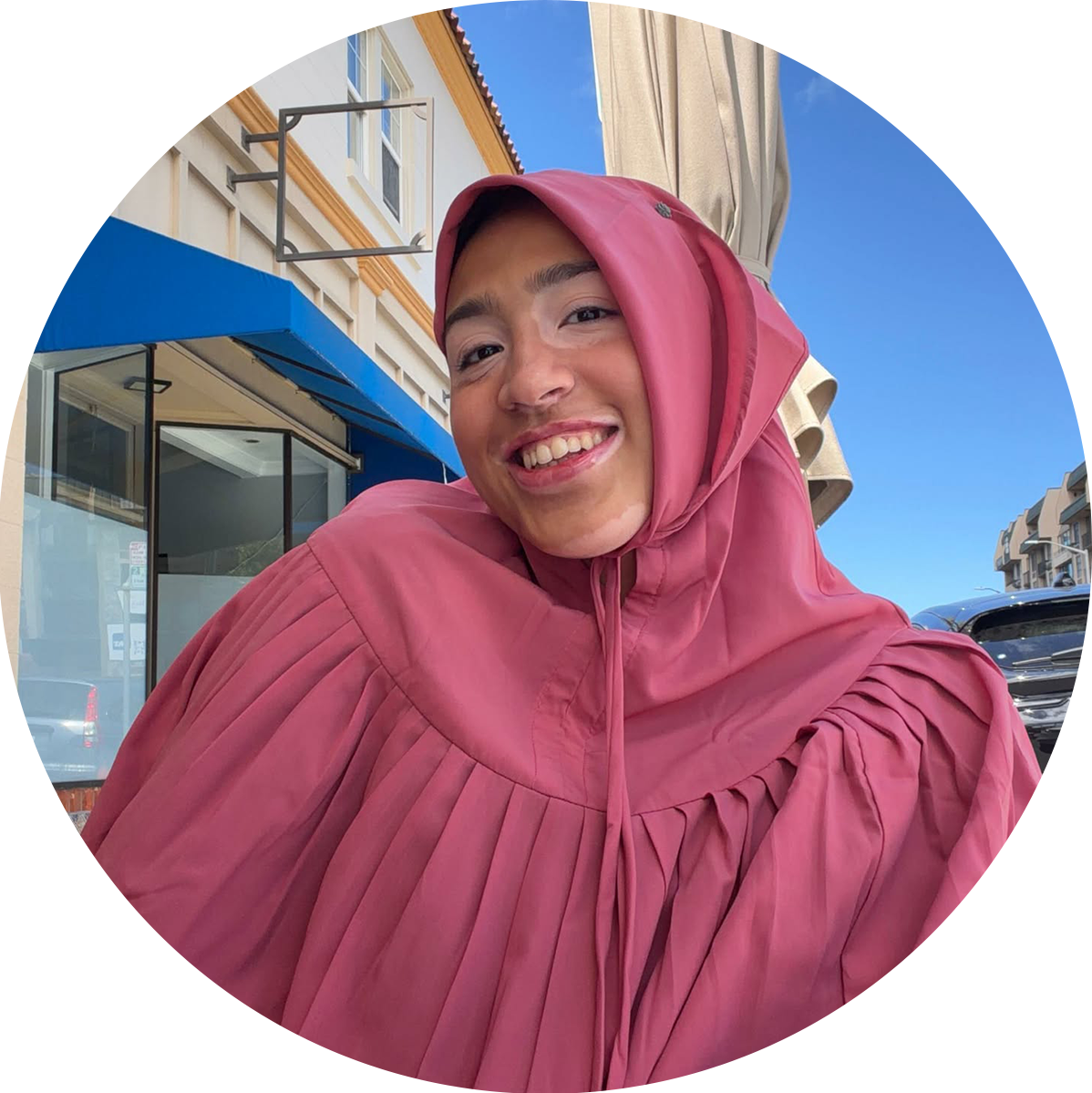
Alefiyah Nalwala
Meet Alefiyah Nalwala, a 23-year-old research professional who has had vitiligo since she was just four years old. Growing up looking different, she faced childhood bullying and an intense pressure to blend in.
Her story is best told through her own words—below, we share some of the most poignant and notable excerpts from our interview regarding her experience.
Alefiyah Nalwala, living with vitiligo has never just been about the skin she is in—it has been a lifelong journey of navigating how the world looks at her, and how she looks at herself. In an interview with Sean
Toleza and Elena Moran, Alefiyah offered a deeply personal look into her life with vitiligo When educating others, Alefiyah emphasized that she prefers empathy over sympathy. She doesn't want pity—the
condition doesn't physically hurt; it just looks different. While she welcomes "ethical curiosity" and enjoys respectfully clearing up misunderstandings, she draws a firm line at insensitive, "below the belt"
comments.
Addressing societal beauty standards that prize flawless "glass skin," Alefiyah explained how this superficiality makes everyday life difficult. During her school years, the stigma was so severe that parents would
actively steer their children away from her, treating her condition like a "bad omen." Naturally, her skin has played a massive role in her identity, and she admits it took a long time to truly accept and be happy
with how she looks. When discussing support systems, Alefiyah drew a line between family and friends. For family, education and love are usually enough to secure their support. Friendships, however, remain a
"bumpy road," as people still struggle to navigate the topic without seeming insensitive or pushing too hard.
Regarding healthcare, Alefiyah criticized the current costly, trial-and-error approach. Having tried countless treatments herself, she advocated for targeted research to identify the specific causes of an
individual's vitiligo so doctors can direct patients to the right cure immediately. Finally, she stressed that the most vital resource for patients is mental health support. The hardest part of vitiligo isn't the
physical skin—it’s the internal battle against deep insecurities, social backlash, and constant societal misjudgment.
Navigating Life and Society
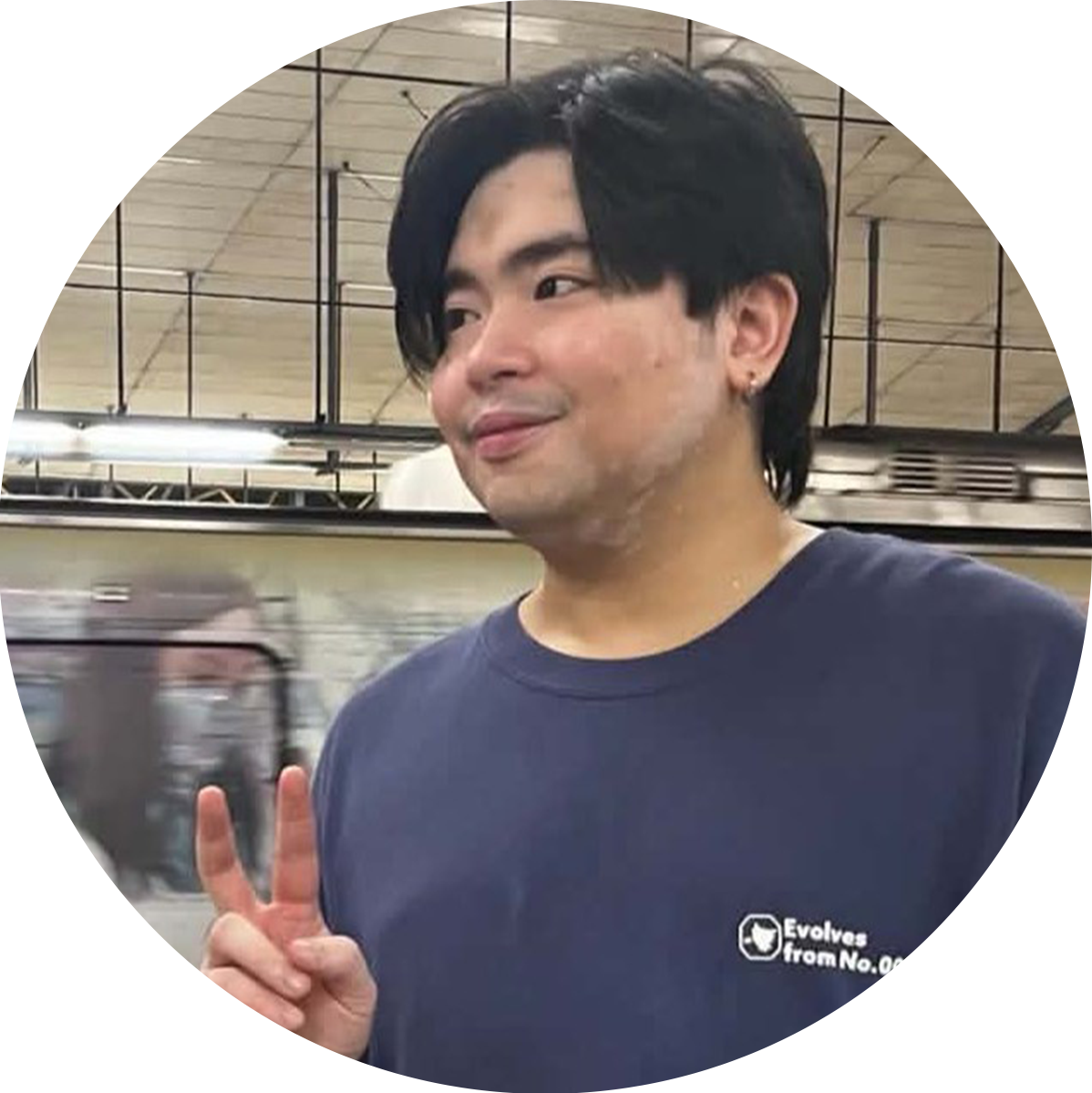
Gene Patrick Victoria
Gene Patrick Victoria is a 41-year-old private business manager living in Cainta, Rizal. The eldest of four siblings, Gene brings a diverse, practical background to his daily life, with knowledge spanning equities market trading, real
estate, and construction. Educated at Dominican order schools (Aquinas School and Dominican College), this Aries and Eastern Ox offers a candid look at the realities of living with vitiligo in the Philippines.
Gene believes that Filipino society is not adequately informed about vitiligo. He emphasizes a strong need for public awareness to teach people that the condition is neither harmful nor contagious (though he notes that extreme
sun exposure can trigger it in some). His own education on the matter was virtually nonexistent; aside from having his vitiligo checked by his dermatologist aunt when he was 12, he never received any information or support from
his schools or local government.
Vitiligo has played a massive role in shaping Gene's lifestyle and identity. Once an avid lover of the outdoors, he discovered that overexposure to the sun could cause his condition to spread faster. Today, with about
15% of his body having lost color, he actively tries to delay its progression by declining daytime beach or swimming invitations, opting to go only at night. This ongoing effort has fundamentally shifted his identity,
forcing him to transition into an "indoor person."
Socially, vitiligo has made Gene highly memorable. Everywhere he goes, people easily remember him, and many are genuinely fascinated, showing great interest in his skin. However, his distinct appearance has led to some
unforgettable—and sometimes polarizing—interactions. On the negative side, he has experienced the sting of being blocked outright on dating apps the moment he shares his photos. On the flip side, his appearance can be so
distracting to others that it leads to comical situations. He recalls cashing a check at a local bank where the teller was so worried, shocked, or mesmerized by his face that she accidentally handed him thousands of pesos in extra
cash (which he counted in his car and promptly returned to a very thankful teller). Noting that similar mix-ups happen to him at places like 7-Eleven, Gene humorously concludes that his vitiligo simply catches people off guard.
Gene is highly skeptical of the current medical treatments for vitiligo. He points out a frustrating contradiction in modern medicine: if science can treat complex diseases like cancer and manage HIV, it should be capable of
restoring skin color. He theorizes that the lack of a definitive cure comes down to a lack of pharmaceutical profitability, though he remains hopeful that this systemic issue will eventually change.
Choosing Acceptance and Simplicity
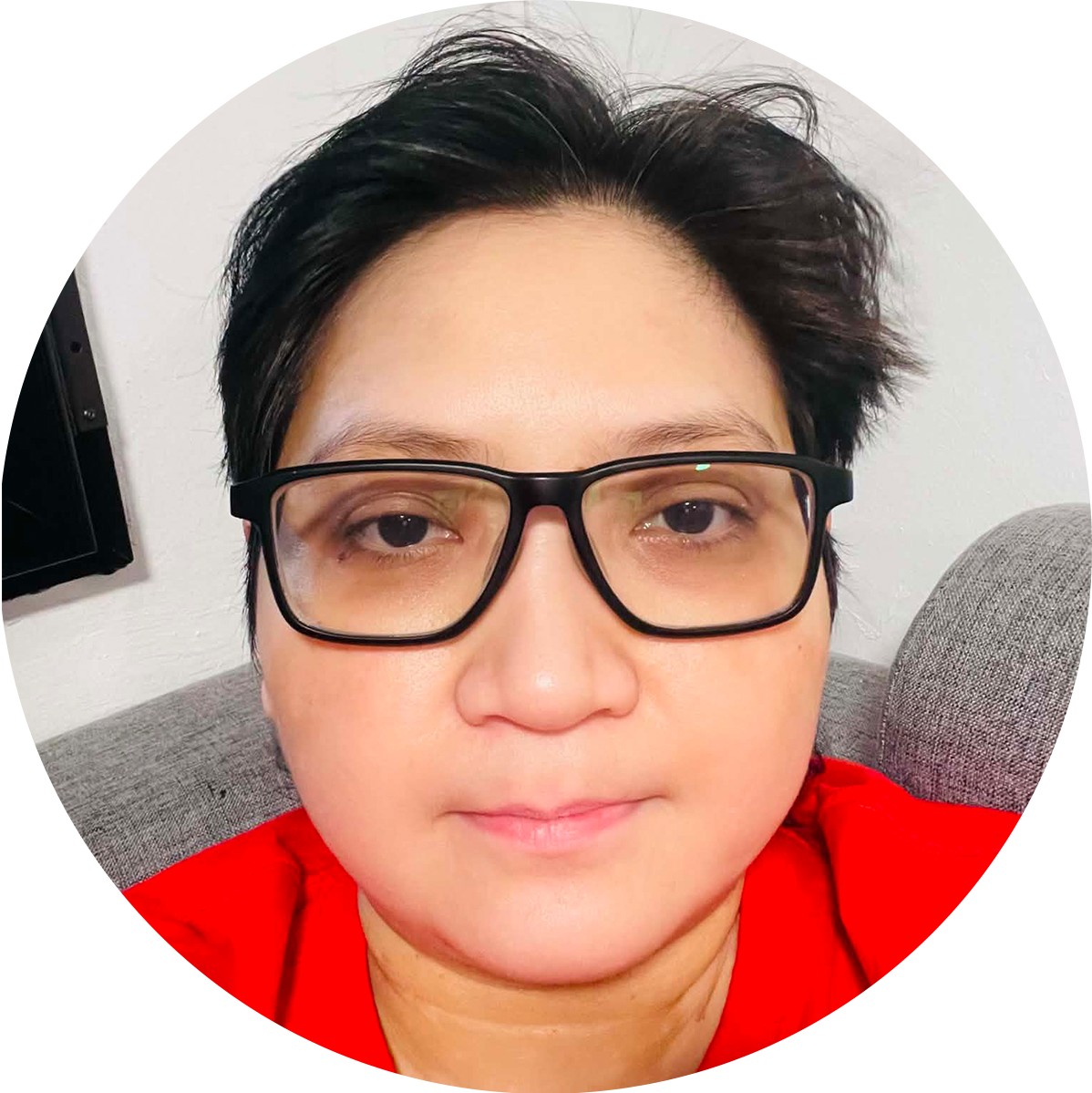
Catherine Saludo Facundo
Catherine Saludo Facundo is a 43-year-old who works from home and enjoys a simple life. She discovered she had vitiligo at age 32. Because she feels Filipino society lacks awareness—and she herself knew nothing
about it prior to her diagnosis—she often explains it as an autoimmune disease that attacks melanin-producing cells. When scientific explanations fail, she simply tells people it is the same condition Michael Jackson had.
Catherine’s journey to self-acceptance took years. Initially, her self-esteem plummeted; she was deeply embarrassed, hiding at home and avoiding friends. Society’s rigid standards for "perfect" beauty made her feel as
though everyone was staring and talking about her. Even today, unsolicited comments do not feel good, but she manages them by cracking jokes and quickly changing the subject. Within her inner circle, she experiences
a mix of reactions. While her friends are usually considerate, her family sometimes teases her about her skin. Though she acts unaffected, their jokes can hurt. However, because she is naturally a jolly person, she
attributes some of that pain to her own insecurities, knowing deep down her family means no real harm. Today, her social mindset has shifted to complete acceptance: she simply no longer cares what others think,
believing people will either understand it or they won't.
Vitiligo has significantly altered Catherine's lifestyle, particularly forcing her to avoid going out and enjoying the sun. The moment she realized her condition was not a simple fungus but a serious, lifelong reality
remains her most unforgettable experience. Professionally, working from home has been a blessing, giving her the independence to not have to "please anyone" and shielding her career from any negative impact.
Interestingly, Catherine has deliberately never sought medical treatment. After watching a TV documentary where a dermatologist warned that the chemicals in certain vitiligo treatments, lotions, and creams could
potentially cause cancer, she decided to just let the vitiligo spread naturally while focusing purely on sun protection.
Catherine points out a glaring lack of formal support from the healthcare system, noting that patients are left to rely on social media groups for advice and community. She strongly urges the government to
implement public educational campaigns about autoimmune diseases, highlighting that the severe insecurity these conditions cause can easily lead to mental health issues. Ultimately, she believes that public education is
the best possible support system: "Knowledge is power." She firmly believes that if people simply understood the condition, they wouldn't look, laugh, or judge.
The Journey to Acceptance
Christopher Alfred Nisperos
Christopher Alfred Nisperos is a Human Resource professional who has been living with generalized vitiligo for over eight years. His journey began unexpectedly in 2018; as a frequent beachgoer who sometimes forgot
sunblock, he developed severe sunburns on his right hand and around his eyes. As the weeks passed and his overall tan faded, those sunburned spots didn't return to normal—they turned stark white. A dermatologist
officially diagnosed him, and today, Christopher explains his condition simply: it is a non-harmful, non-contagious skin discoloration, and there is never a reason to inflict emotional harm on anyone who has it.
Navigating vitiligo has been a shifting emotional landscape. Christopher admits that his self-confidence still struggles against public perception, and he continues to wear long sleeves outside to hide his arms and hands.
Initially, he fought the discoloration with phototherapy, a grueling commitment requiring hospital visits three times a week to realign his white pigments with his natural skin tone. Unfortunately, the COVID-19 pandemic halted everything, reversing his minimal progress. Today, his perspective has shifted—rather than fighting it, he is simply waiting for his entire body to naturally whiten, noting that the discolorations on most
of his face have already done so.
Christopher acknowledges that Philippine society’s beauty standards—which heavily favor an evenly light skin tone—negatively impact people with vitiligo. Thankfully, he has been shielded from this within his inner
circle; his family and friends are incredibly supportive and treat him completely normally. In the professional realm, his most unforgettable, positive experience came from a previous employer. He remains deeply
grateful to them for their immense understanding, as they graciously allowed him to leave work after lunch three times a week to undergo his phototherapy sessions.
Looking at the bigger picture, Christopher believes the Philippines is largely uninformed about vitiligo and desperately needs public information campaigns. While he feels that existing medical treatments serve their
purpose, he stresses that they need to be much more accessible. Most importantly, he strongly advocates for government intervention, arguing that because vitiligo can cause severe psychosocial impairments, the
government should officially recognize the chronic condition as a disability to provide better support for patients.
Overcoming the Shadows
Jan Jesreal
Jan Jesreal is a 22-year-old originally from Marinduque, currently living in Pasig City. Diagnosed at age 17, his journey with vitiligo is a powerful story of surviving severe depression and anxiety to become a confident, outspoken advocate. Today,
he clearly explains his condition to others as an autoimmune response where a drop in the immune system causes a loss of melanin and pigmentation, emphasizing above all else that it is completely non-contagious.
In the beginning, Jan’s self-esteem completely shattered. Feeling "dirty" and terrified of society's judgmental gaze, he became deeply introverted and barely left his home for a year. When he did go outside, he completely covered himself—
wearing a hat, sunglasses, a face mask, a jacket, and gloves—leaving only his eyes visible.
The most painful discrimination came from his inner circle. A best friend reacted with disgust, isolating Jan during communal meals out of fear of infection. His own family also lacked understanding; his siblings feared he would infect them, and he
was even told by some that his condition was "karma" or a fatal side effect of a vaccine—a terrifying rumor his mother initially believed. Because of this, Jan isolated himself from 95% of the people in his life just to protect his peace of mind and
avoid suicidal thoughts.
Jan strongly believes that Filipino society is highly uneducated about vitiligo. People frequently mistake his condition for a fungal infection (an-an or buni) or a severe burn, often inappropriately recommending salicylic acid. In a culture that heavily
judges physical flaws, Jan points out that this lack of basic manners and understanding is what truly disables patients. The condition itself doesn't hurt physically, but society's harsh treatment destroys a person's mental health.
A pivotal shift occurred when Jan moved away from his province for work and found a new, accepting social circle. He also took control of his condition by researching it deeply to educate his family, eventually winning their understanding.
Because his vitiligo spreads very rapidly, he learned to manage his lifestyle carefully. He discovered that stress, depression, and a lack of sleep directly trigger the spread. After trying countless ineffective treatments—from creams to herbal
leaves—he adjusted his diet, avoiding certain foods and relying on a specific gluten-free organic barley, which he feels has helped stabilize his skin.
Today, Jan walks with full confidence and actively seeks out others with vitiligo. He vividly remembers the relief of running into another person with vitiligo in an elevator, realizing how much the community craves mutual comfort. Now, he
dedicates his time to advising and uplifting others, saving them from the same depressive and suicidal thoughts he once battled.
Jan criticizes the government for its total lack of support and awareness campaigns for the vitiligo community, noting that the resulting depression costs lives. Ultimately, he says the best support the public can offer is simple empathy. Instead
of staring or judging, people should offer reassuring words like, "It's okay, it's not contagious, and you didn't ask for this."
A Mother’s Love and a Child’s Confidence
Sheenna and Nathan Adriel
Twenty-eight-year-old Sheenna C. Yu-Salvador has spent the last five years navigating the realities of vitiligo alongside her son, Nathan Adriel. Nathan, who is turning six, first developed the condition when he was just
a year and a half old. It began as a faint white patch on his forehead that initially looked like a common fungal infection (an-an), but it rapidly grew and became highly visible. With no family history of the condition,
Sheenna initially held the misconception that Nathan had somehow caught it from someone else, before finally learning it is an autoimmune disease.
When the symptoms first appeared, Sheenna was overwhelmed with anxiety about her son’s future. She was plagued by "what ifs"—terrified that he would be bullied, that the patches would spread uncontrollably, or
that he would grow up depressed because of his appearance. The extended family shared these worries, sometimes suggesting herbal medicines or citing old superstitious beliefs to explain the condition.
Desperate for a cure, Sheenna sought out multiple doctors and treatments, trying creams like tacrolimus and booking phototherapy sessions at RITM and a clinic in Bacoor, Cavite. However, the constant, draining travel
for just a few seconds of light therapy proved exhausting and heartbreaking for a three-year-old. Seeing the physical and emotional toll it took on her child, Sheenna decided to stop the grueling hospital visits.
Interestingly, she later noticed that some areas of his skin began to repigment naturally on their own after they stopped applying the creams.
Though Sheenna joined Facebook support groups, she sometimes felt envious of patients who showed rapid improvement. Ultimately, she decided to stop placing unnecessary pressure on her son. Reassured by a doctor
who emphasized that Nathan was a perfectly normal child who simply needed basic sun protection, Sheenna shifted her entire approach. She surrendered her uncontrollable worries to her faith in God and focused
heavily on raising a confident child. She openly explained vitiligo to Nathan so he understood his condition, reinforcing that he had absolutely nothing to be ashamed of.
Today, the condition has only strengthened the bond between mother and son. Sheenna taught Nathan to prioritize self-love over worrying about his appearance, and that lesson has paid off beautifully. Now almost
six, Nathan is a highly extroverted, playful, and joyful boy who prefers playing outside with his many friends rather than staying indoors. While Sheenna still keeps a watchful eye out for potential bullying—thankfully,
there has been none—Nathan is deeply loved by his peers and neighbors. As Sheenna proudly notes, when people meet Nathan today, his vitiligo becomes an afterthought, because his vibrant, happy character
completely outshines it.